Case Study: Solving the Olive Mill Wastewater Crisis
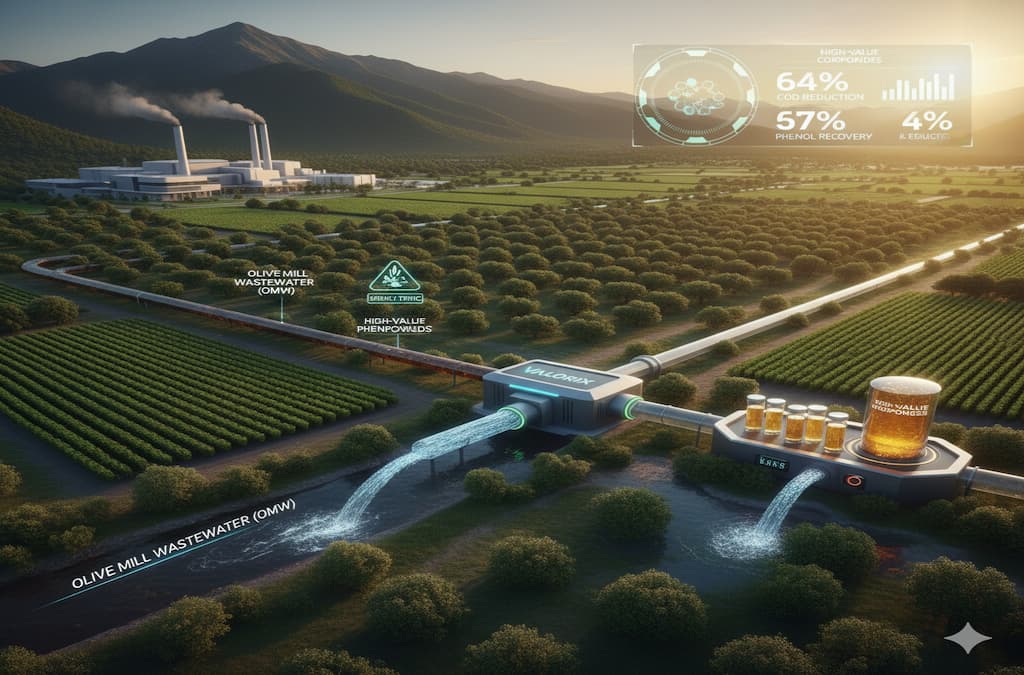
In the world of industrial wastewater, few streams are as notoriously difficult to manage as Olive Mill Wastewater (OMW)....

Sustainable • Selective • Modular • Circular
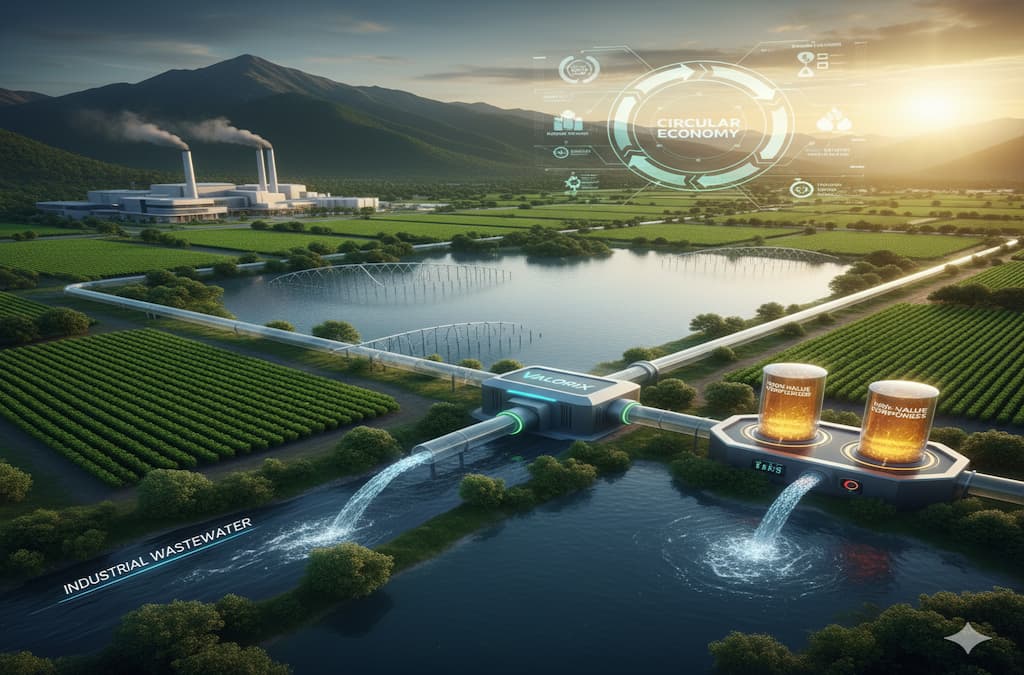
Turning Waste Streams into High-Value Streams
Factories pay to remove compounds that the market pays to buy
Current methods are environmentally harmful
Facing government restrictions and heavy fines
Extremely expensive to treat and chemically complex
Designed to adapt to food, beverage, agro-industry, and nutraceutical production
Operates with green, low-energy, solvent-free methods
Delivers clean, treated effluent and recoveredhigh-value compounds simultaneously
Unlike direct extraction, this method increases mass transfer and reduces solvent requirements
Mechanically stable (PVDF/PES) support designed for low-pressure operation (<1 bar)
A functionalized surface that binds specifically to target molecules like phenolic compounds
Features a snap-fit or 4-screw locking system for easy assembly and replacement
Membrane and layer select Module design Lab-setup design
Membrane and layer prepare Module prepare Lab-setup prepare Test design
Perform the design tests. Membranes, layers, module optimization
Pilot design Pilot tests design
Pilot prepare Pilot installation Perform pilot tests
Performance Note: Our modular design functions as a sacrificial adsorption barrier, preserving membrane permeability and limiting internal fouling.
Strongly aligned with the EU Green Deal and 2030 Circular Economy goals.
In the world of industrial wastewater, few streams are as notoriously difficult to manage as Olive Mill Wastewater (OMW)....
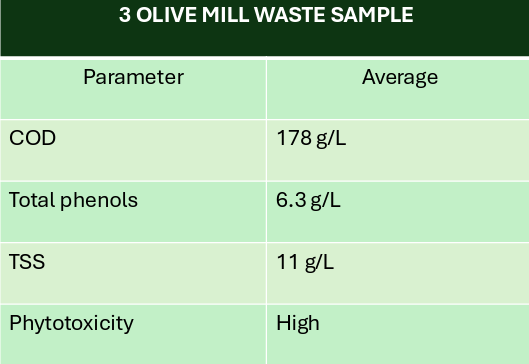
In today’s industrial landscape, the traditional "Take-Make-Waste" linear economic model has reached a dead end. With global resources dwindling...
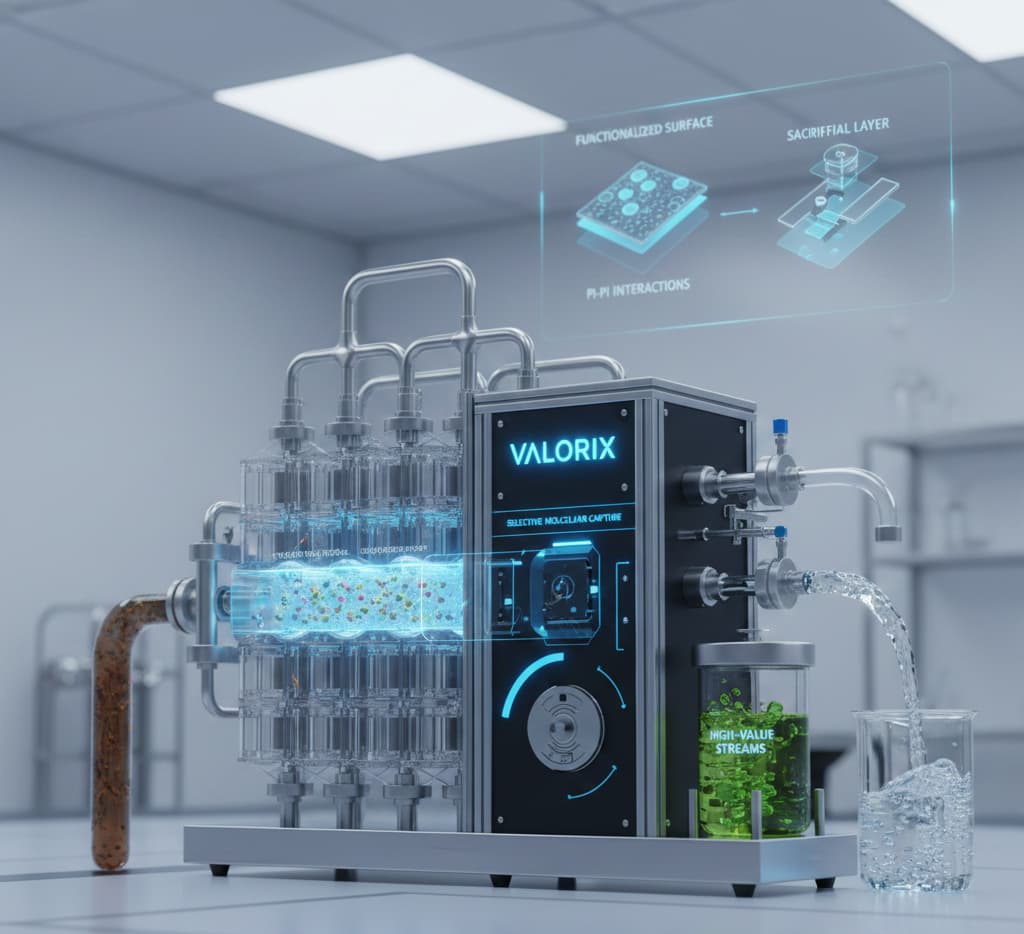
In the rapidly evolving landscape of industrial sustainability, the management of wastewater has shifted from a regulatory burden to...